
If you’ve ever stared at a blank screen wondering how to create a professional invoice without hiring an accountant or buying expensive software, you’re not alone. For millions of businesses worldwide, the invoice in Excel format has become the go-to solution. It’s simple, flexible, reliable, and—let’s be honest—Excel is already sitting on your computer, quietly waiting to help.
In this guide, we’ll explore everything you need to know about using an invoice in Excel format, from benefits and features to step-by-step creation, best practices, and common mistakes to avoid. Whether you’re a freelancer, startup founder, or small business owner, this article has you covered.
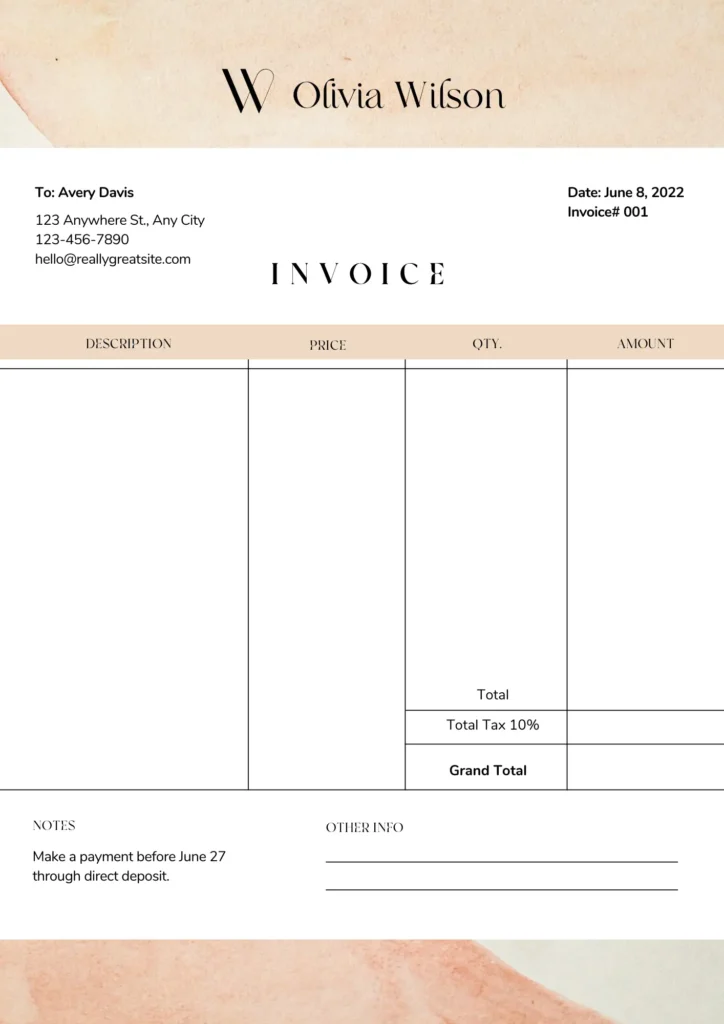
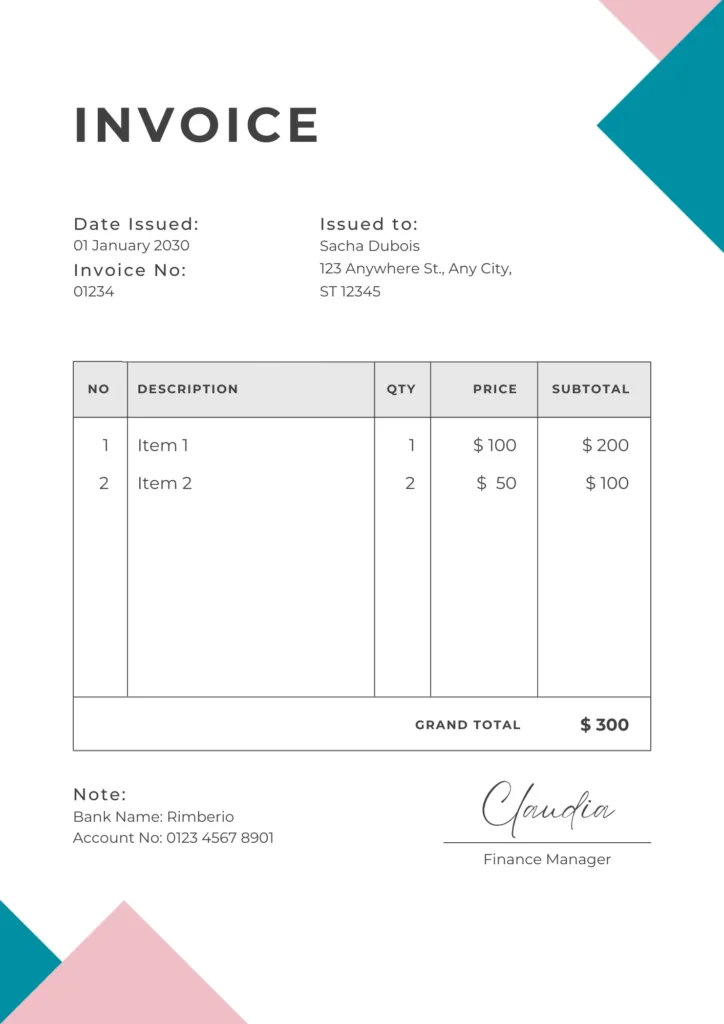
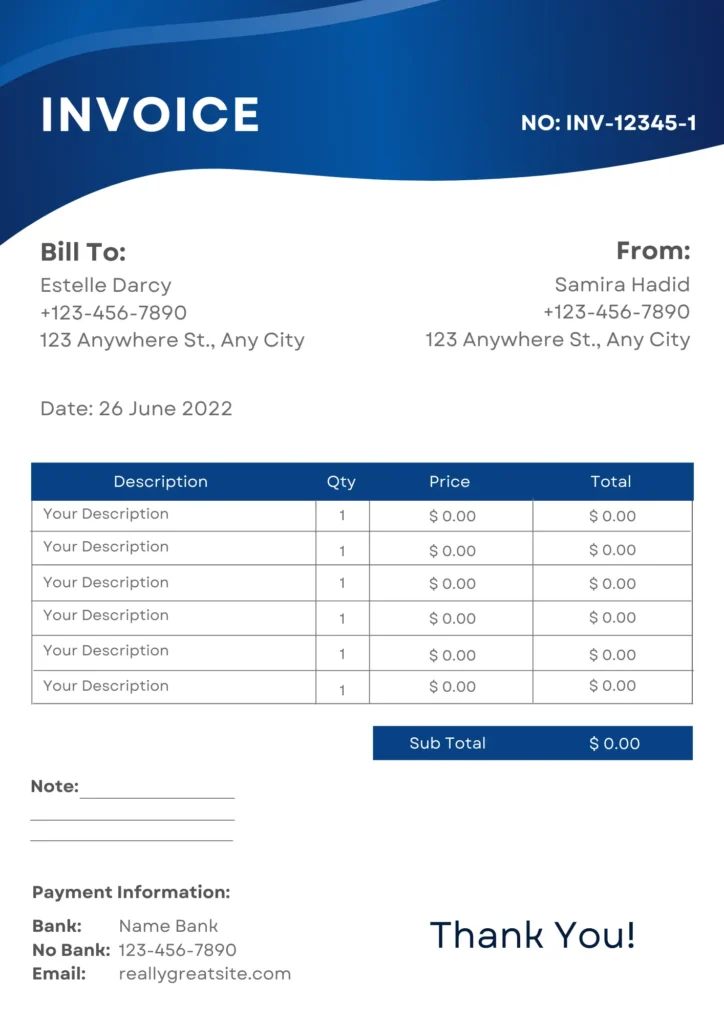
What Is an Invoice in Excel Format?
An invoice in Excel format is a billing document created using Microsoft Excel or compatible spreadsheet software like Google Sheets. It allows businesses to list products or services, calculate totals automatically, apply taxes, and present a professional invoice to clients.
Unlike handwritten invoices or basic Word documents, an invoice in Excel format uses formulas to handle calculations. This reduces errors and saves time—because nobody enjoys recalculating totals at midnight before a payment deadline.
Why Businesses Prefer Invoices in Excel Format
Let’s be real: businesses don’t choose tools because they look cool. They choose tools because they work. Here’s why an invoice in Excel format is so popular:
1. Easy to Use
You don’t need a finance degree to create an invoices in Excel format. If you can type and click, you’re good to go.
2. Automatic Calculations
Excel formulas automatically calculate subtotals, taxes, discounts, and grand totals. That means fewer mistakes and zero awkward “Sorry, I overcharged you” emails.
3. Fully Customizable
Logos, brand colors, fonts—everything can be adjusted. Your invoices in Excel format can look as professional as a big company’s invoice.
4. Cost-Effective
Excel invoice templates are usually free. Compared to paid invoicing software, an invoice in Excel format is budget-friendly, especially for small businesses.
5. Works Offline
No internet? No problem. You can still create and edit an invoices in Excel format anytime, anywhere.
Unlike handwritten invoices or basic Word documents, an invoices in Excel uses formulas to handle calculations. This reduces errors and saves time—because nobody enjoys recalculating totals at midnight before a payment deadline.
Who Should Use Invoice in Excel Format?
An invoice in Excel format is perfect for:
-
Freelancers
-
Consultants
-
Small businesses
-
Service providers
-
Shop owners
-
Startups
-
Agencies
If you send invoices regularly but don’t need advanced automation, an invoice in Excel is more than enough.
Key Elements of a Professional Invoice in Excel Format
To meet professional and legal standards, every invoice in Excel format should include the following:
Business name and logo
Contact details
Invoice number
Invoice date
Client information
Itemized list of products or services
Quantity and price
Subtotal
Tax (if applicable)
Total amount due
Payment terms
Due date
Missing any of these? Your invoice in Excel might confuse clients—or delay payments.
How to Create an Invoice in Excel Format Step by Step
Creating an invoice in Excel format is easier than most people think.
Step 1: Open Excel
Start with a blank workbook or download a ready-made invoice template.
Step 2: Add Business Details
Include your logo, business name, address, phone number, and email.
Step 3: Enter Client Information
Add the client’s name, address, and contact details.
Step 4: Create Invoice Table
List services or products with columns for description, quantity, rate, and amount.
Step 5: Apply Formulas
Use formulas to calculate totals automatically. This is where an invoice in Excel format truly shines.
Step 6: Add Taxes and Discounts
Apply GST, VAT, or discounts using formulas.
Step 7: Final Total
Calculate the final payable amount clearly.
Step 8: Save and Share
Save your invoice in Excel or export it as a PDF for easy sharing.
Benefits of Using Invoice in Excel Format Over Word
Many people ask: “Why not just use Word?” Good question.
| Feature | Excel | Word |
|---|---|---|
| Automatic calculations | ✅ Yes | ❌ No |
| Error reduction | ✅ High | ❌ Low |
| Data reuse | ✅ Easy | ❌ Difficult |
| Scalability | ✅ Better | ❌ Limited |
Clearly, an invoice in Excel format is more powerful and efficient than a Word invoice.
Common Mistakes to Avoid in Invoice in Excel Format
Even though Excel is powerful, mistakes can still happen.
1. Not Locking Formula Cells
Accidentally deleting formulas can break your invoice in Excel.
2. Missing Invoice Numbers
Without unique numbers, tracking invoices becomes a nightmare.
3. Poor Formatting
A messy invoice looks unprofessional, no matter how accurate it is.
4. Forgetting Payment Terms
Always mention due dates clearly in your invoice in Excel.
How to Make Your Invoice in Excel Format Look Professional
Presentation matters. A lot.
Use consistent fonts
Apply brand colors
Align text properly
Keep spacing clean
Avoid clutter
A well-designed invoice in Excel builds trust and increases the chances of faster payment.
Can You Convert Invoice in Excel Format to PDF?
Absolutely. In fact, it’s recommended.
Clients can accidentally edit Excel files. Converting your invoice in Excel to PDF ensures data safety and maintains formatting across devices.
Is Invoice in Excel Format Secure?
Yes—if used correctly.
Protect sheets with passwords
Lock formulas
Use backups
Share PDFs instead of editable files
When handled properly, an invoice in Excel format is both secure and reliable.
Invoice in Excel Format vs Invoicing Software
Let’s compare quickly:
| Feature | Excel Invoice | Software |
|---|---|---|
| Cost | Free | Paid |
| Learning curve | Low | Medium |
| Automation | Limited | Advanced |
| Customization | High | Medium |
| Ideal for | Small businesses | Growing enterprises |
For most small businesses, an invoice in Excel offers the perfect balance.
Tips to Optimize Invoice in Excel Format for Faster Payments
Keep totals bold and clear
Mention payment methods
Add polite reminders
Keep invoices simple
Send invoices immediately
A smart invoice in Excel doesn’t just bill—it nudges clients to pay faster.
EEAT Perspective: Why Excel Invoices Are Trustworthy
From an EEAT (Experience, Expertise, Authoritativeness, Trustworthiness) perspective:
Experience: Excel invoices are widely used across industries
Expertise: Built-in formulas reduce financial errors
Authoritativeness: Used by accountants, consultants, and professionals
Trustworthiness: Transparent calculations and clear records
That’s why the invoice in Excel continues to dominate small-business invoicing.
Final Thoughts
An invoice in Excel is more than just a billing document—it’s a practical business tool that saves time, reduces errors, and presents your brand professionally. It’s flexible enough for freelancers and powerful enough for growing businesses.
If you want a simple, cost-effective, and reliable invoicing solution without overcomplicating your workflow, the Excel invoice is the smart choice.
And remember—your invoice is often the last impression a client gets. Make it clean, clear, and confident. Excel has your back 😉